
Dirt Hauling in Lake Oswego, Oregon
Move excavated soil and site material with a plan for loading, access, clean streets and the right destination.
Residential + commercial projects • (971) 242-9163
Dirt hauling starts before the truck arrives
A useful hauling plan answers three questions: what material is moving, how equipment reaches it and where it can legally go. Soil from a clean grading project is different from mixed demolition debris, wet material or material that needs special handling.
Tight Lake Oswego streets and established driveways can make loading space the real constraint. We look at truck approach, equipment staging, overhead clearance and how to keep mud off public streets. One extra turn may not sound like much, but it adds up fast when trucks repeat it all day.
DISCUSS THE LOAD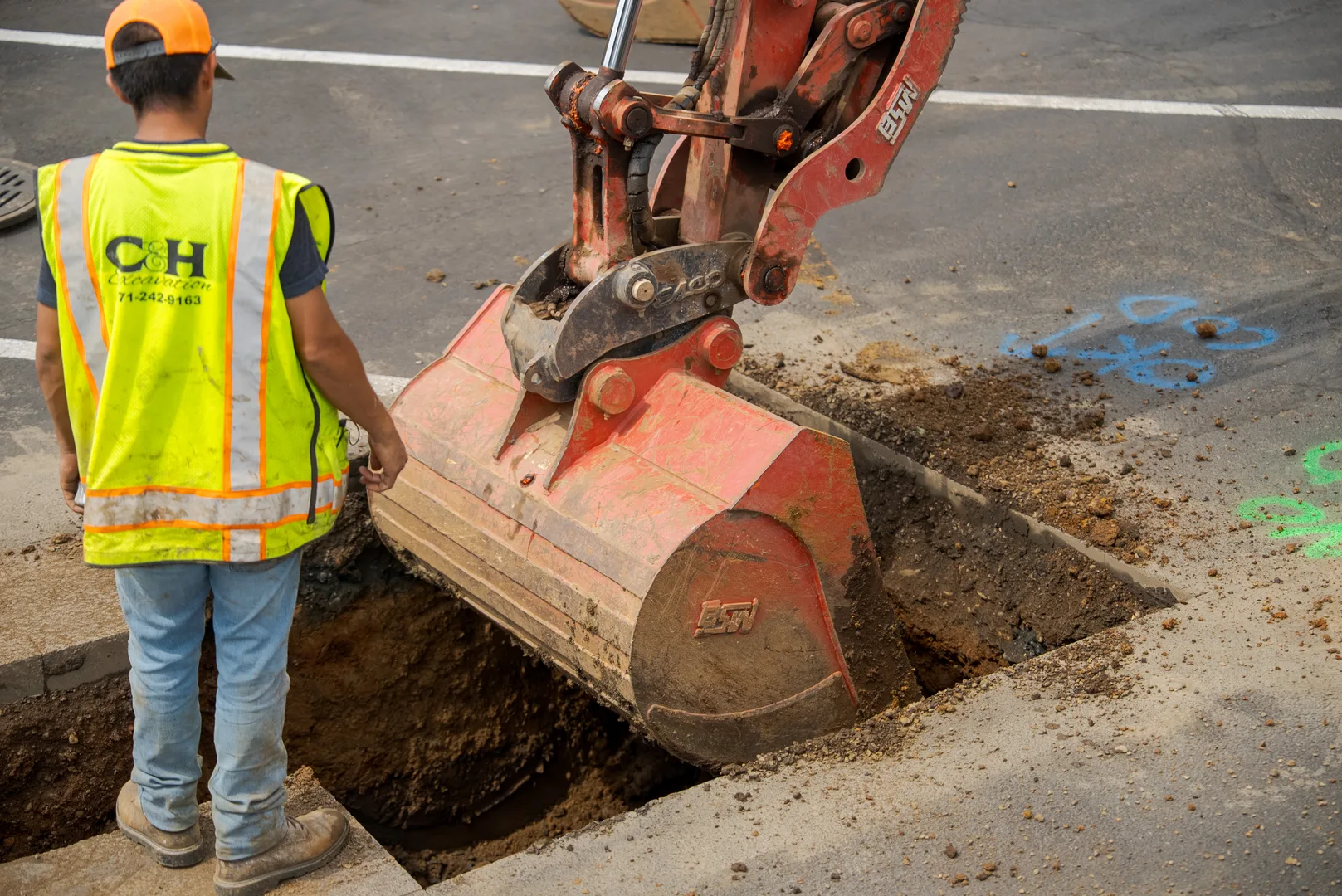
Dirt hauling that fits the excavation plan
Hauling works best when it is sized with the digging—not treated as an afterthought.
Excavated soil
Load and move soil generated by grading, pads, trenches or other approved excavation work.
Import and export balance
Coordinate usable fill coming in and unsuitable or excess material leaving the site.
Site cleanup
Manage loading areas, track-out and the final rough grade after material is removed.
Disposal location, dump fees, trucking volume and wait time should be clear in the estimate. Get a number you can actually use.
Access and erosion control shape the day
A truck needs more than a gate that technically opens. Turning room, slope, surface strength and nearby vehicles all affect whether loads move efficiently without damaging the property.
Lake Oswego requires disturbed soil and stockpiles to stay out of streets and stormwater systems. Wet-weather protection can also affect where material is staged and how long it may remain exposed.
CALL (971) 242-9163From material check to a clean load-out
We plan the loading pattern first so the excavator and trucks are not negotiating the same narrow space all day.
01 — Identify material
Confirm whether the load is clean soil, rock, mixed debris or imported fill.
02 — Plan access
Check truck route, loading area, overhead clearance and street protection.
03 — Load and haul
Coordinate trucks with the excavation pace and approved destination.
04 — Clean and close out
Control track-out and leave the loading area in the agreed condition.
Lake Oswego dirt-hauling FAQs
How much dirt can one truck carry?
Capacity varies by truck, material density and legal weight. We estimate from the excavation volume and then adjust for material type and site access.
Can you haul wet soil?
Sometimes, but wet material can change handling, weight and destination options. It is better to identify that before the first truck is scheduled.
Do you bring fill material back to the site?
We can discuss imported fill or aggregate as part of the scope. The material and placement requirements should match the project plan.
Need dirt moved without guesswork?
Tell us where the material came from, how much space trucks have and what the site needs afterward. Photos help, and a site walk answers the rest.