
Lake Oswego, Oregon
Excavation in Lake Oswego
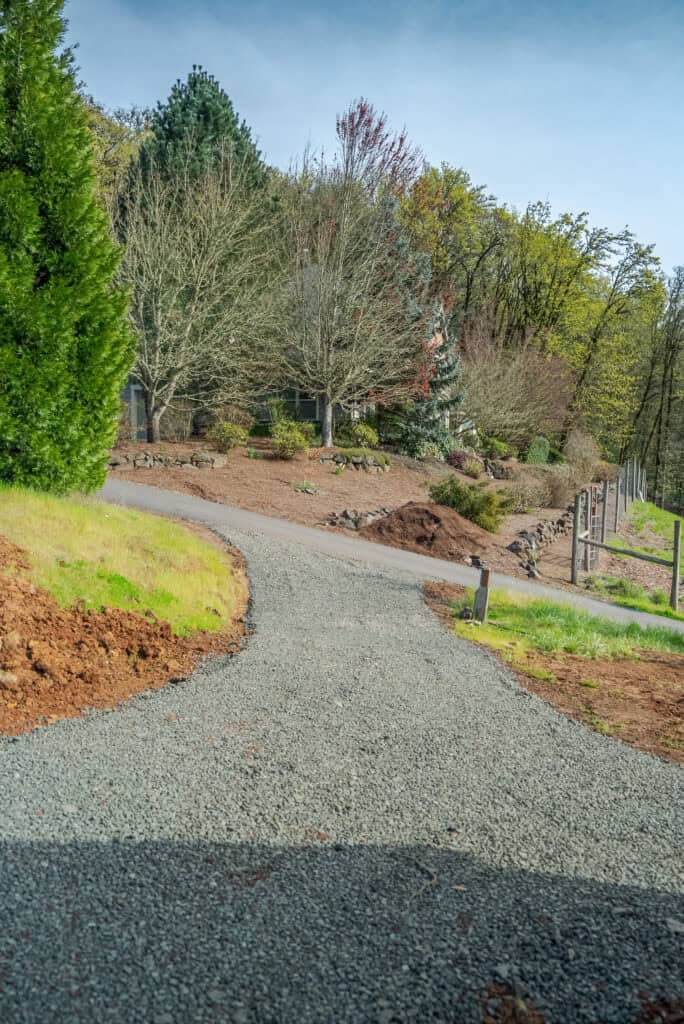
Excavation in Lake Oswego, Oregon is a highly specialized process that requires far more than basic equipment and general experience. The city’s unique geography, soil composition, and development patterns create challenges that don’t exist in many surrounding areas. From hillside homes overlooking the lake to tightly developed residential neighborhoods, excavation work in Lake Oswego demands precision, planning, and a deep understanding of local conditions.
One of the biggest factors that sets Lake Oswego apart is its topography. Many properties are built on or near slopes, with elevation changes that require careful grading and soil management. Excavating on sloped terrain introduces a higher risk of erosion, drainage issues, and soil instability if the work isn’t done correctly. Proper excavation here often involves engineered cut-and-fill techniques, slope reinforcement, and exact elevation control to ensure the land remains stable long after construction is complete. Even small miscalculations can lead to runoff problems or structural stress, making experience essential.
Soil conditions in Lake Oswego also differ from nearby flatter communities. Contractors frequently encounter a combination of clay-heavy soils, compacted layers, and moisture-retentive subsoils. These conditions are especially common near the lake, streams, and wooded areas. Clay soils can expand and contract with seasonal moisture changes, which means excavation must include proper compaction and drainage planning to prevent future settling or movement. Knowing how these soils behave throughout the year is critical for long-term performance.
Another challenge unique to Lake Oswego excavation is the presence of mature trees and established landscaping. Many properties feature large, old-growth trees whose root systems extend far beyond what’s visible above ground. Excavation must be planned carefully to avoid damaging root structures that can compromise tree health or violate local preservation standards. This often requires selective excavation, protective barriers, and strategic equipment placement to minimize impact.
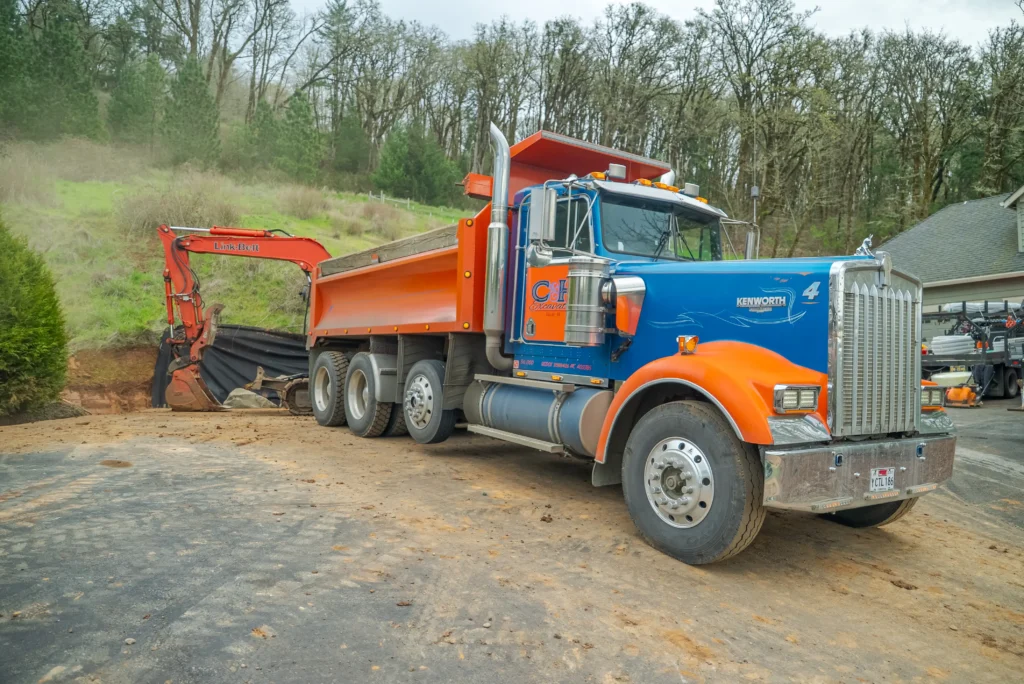
Lake Oswego is also characterized by tight residential lots and limited access. Unlike newer developments in surrounding cities, many excavation projects here take place on narrow driveways, confined build sites, and properties bordered closely by neighboring homes. This requires smaller, more precise equipment, careful staging, and detailed utility locating. Water lines, sewer connections, and electrical services are often already in place and must be protected throughout the excavation process to avoid costly disruptions.
Environmental considerations play a major role as well. Lake Oswego places strong emphasis on erosion control, stormwater management, and environmental protection, particularly on lake-adjacent or hillside properties. Excavation work often includes sediment control measures, drainage planning, and runoff mitigation to protect nearby waterways and comply with local standards. These requirements add complexity but are essential for preserving both the property and the surrounding environment.
Because of these factors, excavation in Lake Oswego isn’t about rushing the job—it’s about doing it right from the start. Successful projects depend on careful planning, local knowledge, and precise execution. Hiring C&H Excavation who understands Lake Oswego’s terrain, soil, and regulatory expectations helps prevent delays, protects your investment, and ensures your project is built on a stable, reliable foundation that will stand the test of time.